By A.J. Slivinski | President, Zen Residential | aj@zenresidential.ca
The residential rental industry has evolved fast – faster than most owners and operators realize. Buildings still managed the old way are falling behind. Some are already losing millions in asset value. Paper forms, Excel spreadsheets, and after-hours maintenance calls once worked. That era is over.
Self-Management Is Now a Hidden Cost Center
What used to be a cost-saving decision – managing in-house – is now one of the largest hidden risks in real estate. Today’s leasing velocity, net operating growth (NOI) growth, and tenant retention all depend on systems, data, and expertise. Without them, operating expenses creep up, vacancies linger, and reputations suffer.
Here’s where the biggest gaps show up:
1. Vacancy and Rent Losses Add Up Fast
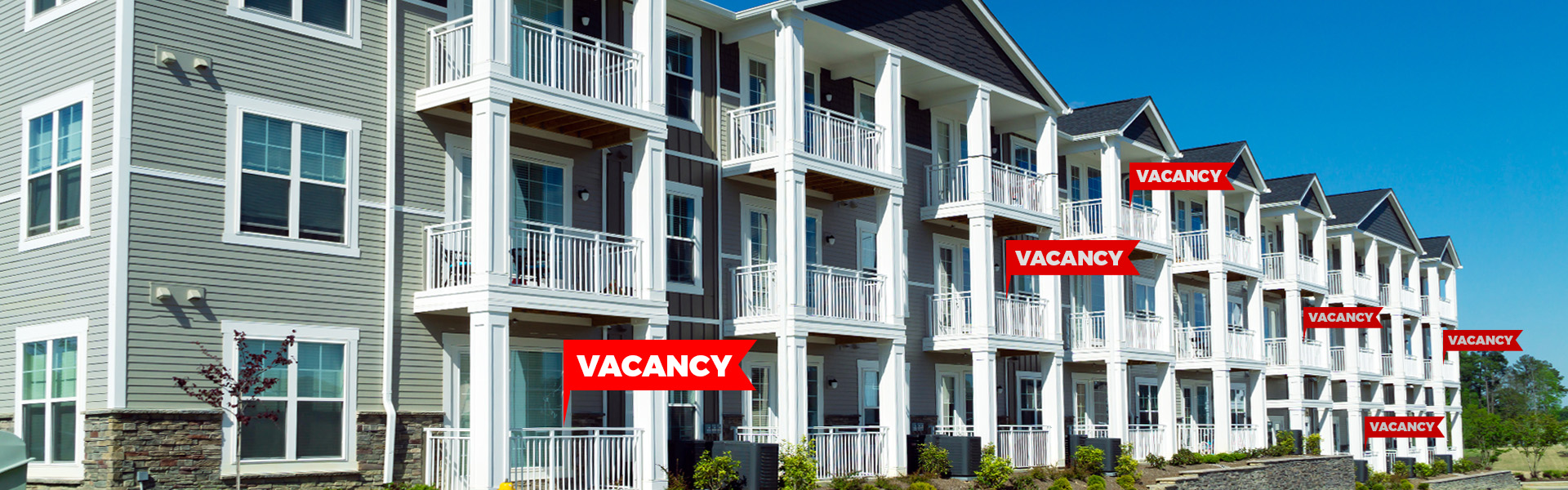
Self-managed buildings often miss out on 5-10% of potential rent due to slow leasing, mispriced units, or outdated marketing tactics. Without automated leasing funnels, dynamic pricing, and lead conversion tracking, days on market increase, and concessions pile up. Every day a unit sits empty or underpriced erodes its performance.
2. Tenants Expect a Frictionless Experience
The typical renter no longer tolerates phone tag or paper forms. They expect:
- Online tour booking.
- Mobile-friendly lease applications.
- Real-time work order updates.
- Digital rent payments.
- App-based communication.
- Immediate responses from smart assistants.
They also look for community engagement, resident perks, and reward programs. Fail to meet these expectations and tenants don’t just leave – they leave negative reviews that impact leasing velocity and asset reputation.
3. Delayed Service Now Equals Public Damage
Without digital service tracking and automated escalation workflows, maintenance lags, and tenants notice the lags. Each delay becomes a risk: tenant turnover; bad online reviews; and even reputational damage that extends to the building owner or developer’s brand. Owners who once handled a dozen units can’t scale that model to hundreds without operational cracks showing up fast.
4. Lack of Visibility = Poor Decisions
Self-managed operations rarely offer real-time data. Spreadsheets and static reports don’t cut it anymore. To stay competitive, the industry now expects:
- Live dashboards.
- Cloud-based financial reporting.
- Drillable income and expense data with clear variance tracking.
- Portfolio-wide performance benchmarks.
Owners making decisions without this visibility are at a structural disadvantage: problems go undetected; performance plateaus; and teams avoid accountability. In this environment, professional systems aren’t optional – they are foundational.
5. AI and Automation Are Reshaping the Game
Artificial intelligence is no longer a future concept; it’s become embedded in today’s high-performing buildings. Smart virtual assistants now handle:
- Maintenance intake and tracking.
- Prospect communications.
- Leasing workflows.
- Escalations and follow-ups.
- Reputation management.
These tools reduce staffing needs while improving speed, accuracy, and tenant satisfaction. But they only work when implemented strategically and supported by the right infrastructure. Without the knowledge base to operate them properly, they become wasted investments.
6. The Right Tech Stack Is Both Expensive and Essential
Running modern buildings requires:
- Customer Relationship Management (CRM) platforms.
- Automated lead routing.
- Integrated accounting and operations software.
- AI-powered resident engagement tools.
- Performance dashboards.
- Compliance and safety tracking.
Building, integrating, and maintaining this stack takes capital and expertise. Most individual owners can’t justify the spend or keep up with the updates. That is where fee-based professional firms come in. They offer instant access to this infrastructure – without the cost of building it from scratch.
7. Knowledge, Not Software, Creates the Competitive Edge
Even with the best tools, success depends on how the operation is run. That means:
- Standard operating procedures for every process.
- Preventative maintenance programs tailored by asset type.
- Renewal strategies tied to retention analytics.
- Management reviews tied to staff incentives.
- Real-time marketing performance feedback loops.
None of this is available in-house unless the owner is also running a full-scale management company. That’s the gap – and the opportunity.
The Bottom Line
Buildings run on outdated systems are leaking value every day. Not because the owner isn’t working hard, but because the tools and knowledge required have outpaced the old DIY model.
Fee-based property management isn’t an expense. It’s a multiplier. It delivers:
- Faster leasing.
- Higher rents.
- Lower turnover.
- Stronger reputation.
- Better NOI.
- Higher valuation at exit.
The market has moved. The tools have changed. So have the expectations.
The only question now is whether your operation will keep up – or get left behind.

by AJ Slivinski
Published: September 2nd, 2025
AJ Slivinski is the President and CEO of Zen Residential Ltd., a company that provides unparalleled, high-grade asset and property management solutions to rental property proprietors in Edmonton, Calgary, and the neighbouring regions. He has more than 25 years of experience harmonizing lifestyles and dwellings, benefiting both proprietors and occupants.